How much does it really cost to study in the UK? The real cost of studying in the UK often goes beyond the expenses shown in university brochures as several everyday and unexpected expenses can quickly increase a student’s monthly budget.
This article looks at these hidden expenses through the experiences of an international student. Rose Maria Job, a Master’s graduate from Anglia Ruskin University in Cambridge, shares the practical lessons she learned.
Also Read: How to Get a Scholarship to Study Abroad for Indian Students
1. Travel
Trains are generally the fastest and most comfortable way to travel between UK cities. However, ticket prices vary significantly depending on the route, travel time and how early you book. However, the UK government offers a ‘Rail Card’ for students and other eligible groups, offering significant discounts. Another way to save on train fares is to purchase an ‘advance ticket,’ available when you book 2-3 days before the trip.
Buses are the next-best option, although travel time is generally longer than with trains. For example, the journey from London to Manchester by train takes about 2.5 hours, and the ticket price is approximately £100 (~INR 12,800). Meanwhile, the bus journey takes around 9 hours, with ticket prices ranging from £15 to £25 (~INR 1920- 3200).
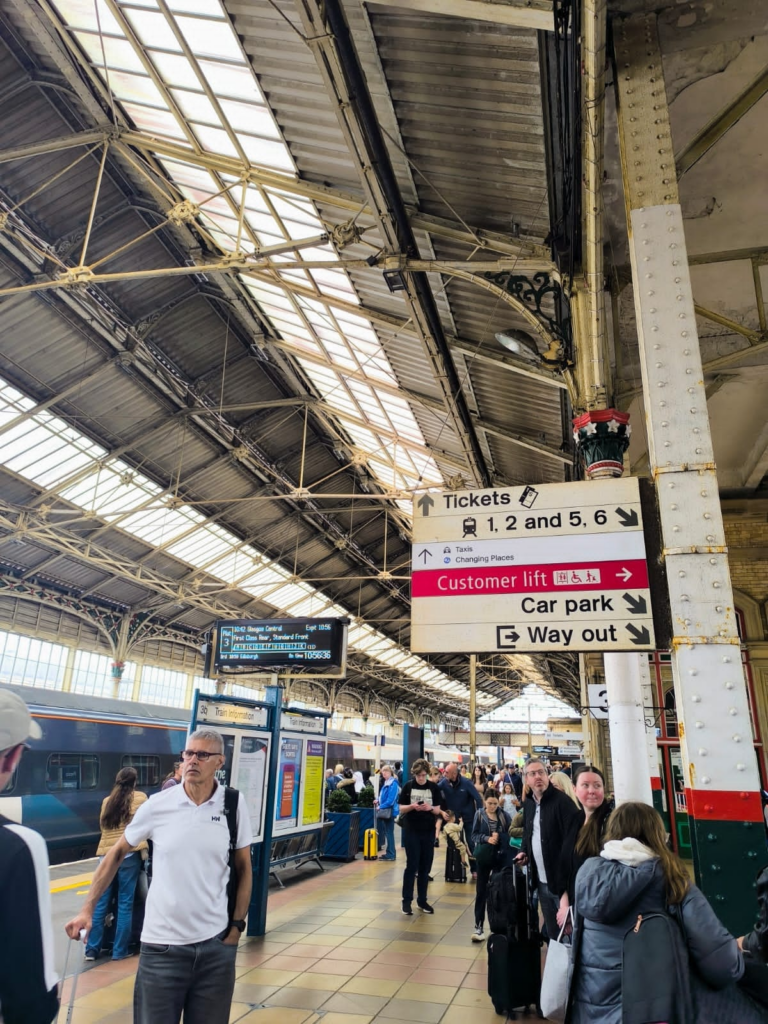
“For short journeys, I usually recommend checking buses first because they can be much more economical. For longer trips, trains are often worth considering because of the time and comfort they offer,” says Rose.
2. Housing
Property owners usually require a security deposit equal to one or two months’ rent before providing access to the property.
Activation charges for utilities such as electricity, heating, and internet are seldom factored into the advertised rent. Additionally, you will need funds to purchase essential furniture and basic household items.
The initial setup expenses can range from INR 1.2 to 2.5 lakh. Be prepared to pay these setup fees for these services during your first week.
3. Food Delivery
Food delivery is expensive overseas as it comes with a lot of charges. A meal listed at £12 may cost significantly more after delivery charges, service fees and small-order fees of around £5 are added.
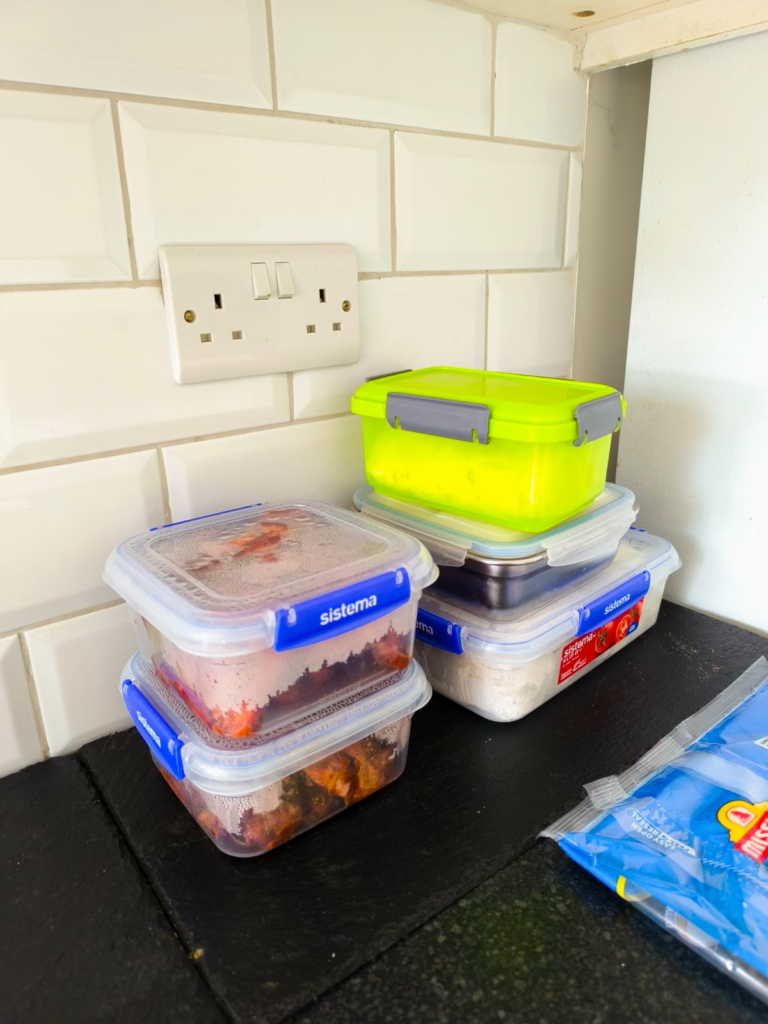
“I would always suggest going for home-cooked meals whenever possible. A weekly meal prep saves a lot of time and money. But there will be days when you finish a long 9-hour shift, can barely stand, and just want someone to bring you a warm meal. On those days, it’s perfectly fine to choose food delivery as a little treat for yourself.”
The important thing is to treat food delivery as an occasional expense rather than part of the everyday routine. Even one or two unnecessary orders every week can make a substantial difference to a student’s monthly food budget.
3. Books and Other Course Requirements
Some courses require textbooks, special software licenses or lab equipment not covered by tuition fees. Additionally, some courses may involve mandatory field trips or projects that incur extra costs for travel and materials.
Rose recommends checking these requirements before the course begins rather than assuming everything will be provided by the university.
Students can reduce these expenses by:
- Borrowing books from the university library
- Using digital editions where they are cheaper
- Purchasing second-hand books from senior students
- Looking for student groups and social-media pages where used materials are sold
- Checking the university portal for grants or financial support covering academic materials
Before purchasing a textbook, it is also worth confirming whether it will be used throughout the course or only for a small part of one module.

4. Social Life
Socialising is an important part of studying abroad. It helps students make friends, adjust to a new country and take a break from academic pressure. However, nights out can become one of the fastest ways to exceed a monthly budget.
Entry fees, drinks, taxis, late-night food and repeated weekend plans can add up to £600 over an outing.
Rose’s advice is not to avoid social life but to become selective about it. Instead of joining every expensive outing, students can look for free university events, house gatherings, student-society activities, parks, museums and affordable local trips.
When visiting pubs or restaurants, many students also consider chains such as Wetherspoon because their food and drinks are often relatively affordable compared with other venues.
For day trips, Rose recommends exploring nearby places first.

“When we think about travelling in the UK, we often immediately plan trips to distant cities. But there may be many beautiful and interesting places close to where you live. Visiting nearby destinations helps reduce both transport costs and travel time.”
Verified students can also use platforms such as UNiDAYS to access discounts on clothing, technology, fitness memberships, food and other purchases.
5. Visa Application and Documentation
As the current overseas situation makes it challenging for students to obtain a sponsored work visa after studies, students are forced to extend their stay by applying for a stayback visa or a graduate visa for job search. This is a major expense that should ideally be planned for well before graduation.
As of July 2026, for a typical two-year Graduate visa, the combined government charges would be approximately £3,007.
Rose points out that this expense can arrive at a financially difficult stage. Because by the end of the course, students may already be managing final rent payments, job-search expenses and reduced part-time working hours. Saving a small amount each month toward future immigration costs can therefore prevent a last-minute financial burden.
7. Money Transfer and Forex Charges
Since it is difficult to get a decent-paying part-time job at first, you will have to depend on the money transfers from parents for the initial months. This is when the weakening Indian Rupee rate, hefty bank charges, and taxes come into play.
Rose’s broader advice is to look beyond the exchange rate displayed online.
“Families usually focus on how many pounds they are sending, but the amount paid in India can change because of the exchange rate and additional charges. Comparing the complete cost before transferring money can result in meaningful savings.”
The Indian government collects 2% TCS on educational money transfers above INR 10 lakhs in a financial year if the transfer amount is from sources other than an educational loan. But there is no TCS on funds transferred from an educational loan. However, a TCS refund or deduction can be claimed while filing an income tax return.
Banks usually charge a 2% to 3% margin on international transfers, along with other charges. The foreign transaction fee can exceed up to 3% for debit and credit cards while using abroad.
This is where an online forex aggregator like ExTravelMoney can help you. We provide an online marketplace for reputed banks and RBI-licensed forex houses, where you can compare the exchange rates and fees charged by each of them and choose the best service provider. Moreover, our forex partners provide remittance services at discounted rates due to the partnership.
Students can also save on daily spending by using forex cards instead of debit or credit cards. You can load the required Pounds in a forex card, lock the exchange rate and use it at PoS and ATMs without the fear of exchange rate fluctuations and currency conversion charges.
A well-planned budget can help you manage unexpected expenses and enjoy a more financially comfortable student life in the UK. Save an extra mile on your savings journey by comparing rates on ExTravelMoney and sending your tuition fees and living expenses through trusted remittance partners.
Also Read: Self-Funding or Student Loan- Which is Best for Abroad Studies

Ann Mariya Job is the Associate Content Writer at ExTravelMoney.com. Holding a Bachelor’s in Journalism, she excels in creating deeply researched, engaging, and crisp content. Her work helps readers understand the complexities of foreign exchange, overseas money transfers, and international travel.